Bermuda Frequently Asked Questions: Everything You Need to Know Before You Visit
Your essential guide to Bermuda, from pink-sand beaches and historic towns to transportation, attractions, local customs and island adventures.
Planning a trip to Bermuda? Whether you’re arriving by cruise ship, flying in for a relaxing vacation or visiting the island for the first time, we’ve answered some of the most frequently asked questions to help you make the most of your stay.
General Information About Bermuda
Where is Bermuda?
Bermuda is a beautiful island destination in the North Atlantic Ocean, approximately 650 miles east of Cape Hatteras, North Carolina. Although often associated with the Caribbean, Bermuda is actually located much farther north, at approximately 32 degrees north latitude.
The island is easily accessible from the East Coast of North America, with flights from New York and Boston taking approximately two hours.
Bermuda is made up of more than 180 islands and islets, with the main islands connected by bridges and causeways. The island stretches approximately 21 miles from end to end and is known for its turquoise waters, pink-sand beaches, pastel-coloured buildings and distinctive island culture.
Is Bermuda part of the Caribbean?
No. Bermuda is located in the North Atlantic Ocean, more than 900 miles north of the Caribbean. Although it shares some cultural influences and a subtropical climate with Caribbean destinations, Bermuda has its own unique history, traditions and identity.
Is Bermuda an independent country?
Bermuda is a self-governing British Overseas Territory. It has its own elected government and laws, while the United Kingdom retains responsibility for certain matters, including defence and external affairs.
Bermuda’s capital is the City of Hamilton, while the historic Town of St. George is the island’s oldest continuously inhabited English settlement.
What currency is used in Bermuda?
The official currency is the Bermuda dollar (BMD), which is pegged to the US dollar at a rate of 1:1.
US dollars are widely accepted throughout the island, so American visitors generally do not need to exchange currency.
Credit and debit cards are accepted at most hotels, restaurants, shops and attractions. Bermuda dollars are not generally accepted outside Bermuda, so visitors should try to spend any remaining local currency before departing.
What language is spoken in Bermuda?
English is Bermuda’s official language. Visitors will also hear the distinctive Bermudian accent, which reflects the island’s British, African, Caribbean and North American influences.
Why are Bermuda’s roofs white?
Bermuda’s iconic stepped white roofs are an essential part of the island’s traditional water collection system.
With no permanent freshwater rivers or lakes, Bermuda has historically relied on collecting rainwater for household use. Rain falls onto specially designed limestone roofs and flows through gutters into underground storage tanks.
The roofs are maintained with approved coatings to help protect the water supply. This centuries-old system remains an important feature of Bermudian homes.
Why are Bermuda’s houses painted pastel colours?
Bermuda is famous for its charming pastel-coloured homes in shades of pink, yellow, peach, blue and green.
The colourful buildings, white roofs and lush tropical gardens have become defining features of the island’s architectural character. Traditional Bermudian architecture also includes limestone walls, wooden shutters and designs adapted to the island’s climate.
What is Bermuda’s national flower?
The blue-eyed grass (Sisyrinchium bermudiana) is Bermuda’s national flower. Despite its name, it belongs to the iris family and produces delicate blue-violet flowers.
Visitors will also see hibiscus, oleander, bougainvillea, frangipani and other colourful flowering plants throughout the island.
Getting to Bermuda
Does Bermuda have an international airport?
Yes. L.F. Wade International Airport (BDA) is located in St. George’s Parish at the eastern end of the island.
Bermuda has air connections with major North American cities and London. Routes and frequencies vary by airline and season, but destinations served include New York, Boston, Toronto, Miami, Philadelphia, Charlotte and London, among others.
Airlines serving Bermuda include BermudAir, American Airlines, Delta Air Lines, JetBlue, Air Canada, United Airlines and British Airways, subject to current schedules.
The airport is approximately 30–40 minutes by taxi from central Hamilton, depending on traffic, and longer from the western end of the island.
Do I need a passport to visit Bermuda?
Yes. International visitors should travel with a valid passport and meet the entry requirements applicable to their nationality.
Some visitors may also need a visa or other documentation depending on their citizenship and travel arrangements.
Before travelling, check Bermuda’s official immigration requirements and your airline or cruise line’s documentation rules.
Where do cruise ships dock in Bermuda?
Most large cruise ships dock at the Royal Naval Dockyard, located at Bermuda’s westernmost end.
The two main cruise berths are King’s Wharf and Heritage Wharf, both within walking distance of Dockyard’s shops, restaurants and attractions.
Smaller cruise ships may occasionally berth in Hamilton or St. George’s, depending on the vessel and itinerary.
From Royal Naval Dockyard, visitors can explore the West End or travel to other parts of Bermuda by ferry, bus, taxi, organised tour or rental electric vehicle.
Can I explore Bermuda without booking a cruise excursion?
Absolutely! Bermuda is an excellent destination for independent exploration.
Visitors can easily discover Royal Naval Dockyard on foot, take a ferry to Hamilton, visit beaches along the South Shore or explore historic St. George’s.
Public transportation, taxis, guided tours and electric rental vehicles provide several options for experiencing the island at your own pace.
Cruise passengers should always allow plenty of time to return to their ship before departure.
Bermuda Beaches and Swimming
Does Bermuda really have pink-sand beaches?
Yes! Bermuda’s famous pink sand is created partly by tiny reddish-pink fragments of marine organisms called foraminifera, which mix with white sand and crushed shells.
The pink colour is most noticeable along Bermuda’s South Shore, particularly when the sand is wet or viewed in soft sunlight.
Not every beach is pink. Some beaches have pale white or golden sand, while the South Shore is particularly well known for its delicate pink hues.
What are the best beaches in Bermuda?
Horseshoe Bay Beach: One of Bermuda’s most famous beaches, featuring a sweeping crescent of pink-tinted sand, turquoise water and dramatic rock formations.
Warwick Long Bay: A beautiful stretch of South Shore beach popular with walkers, photographers and visitors looking for a quieter coastal experience.
Jobson’s Cove: A small, picturesque cove enclosed by limestone cliffs, with sheltered water in calm conditions.
Elbow Beach: A scenic South Shore beach known for its beautiful sand and inviting ocean views.
Tobacco Bay: Located near St. George’s, this popular beach features distinctive rock formations and excellent snorkelling opportunities in suitable conditions.
Clearwater Beach: An East End beach with open spaces and nearby coastal walking opportunities.
Shelly Bay: A shallow North Shore beach that can be a good option for families with young children.
Church Bay: A favourite snorkelling location, with coral reefs and marine life close to shore when conditions permit.
Are Bermuda’s beaches free?
Most of Bermuda’s public beaches are free to access, including Horseshoe Bay, Warwick Long Bay and Tobacco Bay.
Some privately operated beach facilities, resorts and organised beach experiences may charge for access, equipment or amenities.
Can you swim in Bermuda year-round?
Swimming is possible throughout the year, although water temperatures vary considerably by season.
During summer, the ocean is generally warm and comfortable, while winter water temperatures are cooler and may be better suited to confident swimmers or visitors wearing wetsuits.
Always assess local conditions before entering the water. South Shore beaches can experience strong surf, rip currents and dangerous shore breaks, particularly during periods of rough weather.
Are there lifeguards on Bermuda’s beaches?
Lifeguard services are provided at selected beaches during designated seasons and operating hours.
Not all beaches have lifeguards, so visitors should check conditions, observe warning flags and avoid swimming alone.
Exploring Royal Naval Dockyard
What is there to do at Royal Naval Dockyard?
Royal Naval Dockyard is one of Bermuda’s most popular visitor destinations, combining maritime history, shopping, restaurants, museums, art and water-based adventures.
Originally developed as a major British naval base, Dockyard is now a lively waterfront destination where many attractions are within walking distance of the cruise terminals.
Popular attractions and experiences include:
National Museum of Bermuda: Discover more than 500 years of Bermuda’s history, including shipwrecks, maritime heritage, slavery, military history and island life. Explore the historic fortifications and Commissioner’s House, which offers spectacular views across the West End.
Dolphin Quest: Learn about dolphins and marine conservation through educational encounters and interactive programmes. Advance reservations are recommended for paid experiences.
Bermuda Craft Market: Browse locally made crafts, gifts, jewellery, artwork and souvenirs in a historic Dockyard building.
Clocktower Mall: Explore a collection of boutiques and specialty shops housed in a former Royal Navy warehouse with two distinctive clocktowers.
Bermuda Arts Centre at Dockyard: Discover work by local artists, including paintings, photography, ceramics and other creative pieces.
Dockyard Glassworks: Explore locally made glass art and handcrafted gifts, with demonstrations when available.
Bermuda Rum Cake Company: Discover one of Bermuda’s popular edible souvenirs, the traditional rum cake.
Bermuda Clayworks: Find locally made ceramics and pottery, subject to current studio and retail operations.
Bermuda Fun Golf: Enjoy an entertaining miniature golf experience inspired by famous golf holes from around the world.
Snorkel Park Beach: A convenient beach option near the cruise terminals, offering swimming, snorkelling and seasonal entertainment. Admission and activity charges may apply.
Island Tour Centre: Choose from boat cruises, snorkelling excursions, catamaran adventures, glass-bottom boat tours and other organised experiences.
Dockyard also offers waterfront dining, casual cafés, pubs, local shopping and seasonal entertainment.
For more information, visit www.dockyard.bm.
Can you walk around Royal Naval Dockyard?
Yes. Dockyard is compact and relatively easy to explore on foot, with most major attractions located within walking distance of King’s Wharf and Heritage Wharf.
Comfortable walking shoes are recommended, particularly during the warmer months.
Can I go to the beach near the cruise ship?
Yes. Snorkel Park Beach is located within Royal Naval Dockyard and is one of the most convenient options for cruise passengers.
For Bermuda’s famous South Shore beaches, including Horseshoe Bay, visitors will need to travel by bus, taxi, shuttle service or rental vehicle.
Exploring the City of Hamilton
What is there to do in the City of Hamilton?
Hamilton is Bermuda’s capital and main commercial centre, offering a vibrant mix of shopping, restaurants, cultural attractions, historic architecture and waterfront views.
Popular attractions include:
Front Street: Hamilton’s colourful waterfront, lined with shops, restaurants and historic buildings overlooking Hamilton Harbour.
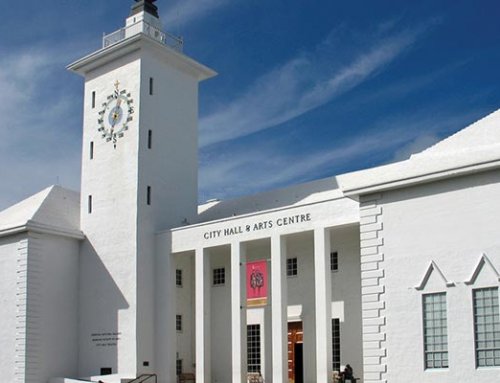
Bermuda National Gallery: Located in City Hall, the gallery showcases Bermudian and international art through permanent collections and changing exhibitions.
Bermuda Society of Arts: Also located in City Hall, this gallery features exhibitions by local artists and creative professionals.
Cathedral of the Most Holy Trinity: An impressive Anglican cathedral known for its Gothic Revival architecture and distinctive limestone construction.
Fort Hamilton: A historic nineteenth-century fort with impressive views over Hamilton and its surroundings.
Bermuda Historical Society Museum: Located within the Bermuda National Library building, this small museum explores Bermuda’s history through fascinating artefacts and collections.
Bermuda Underwater Exploration Institute (BUEI): Explore Bermuda’s underwater world, maritime history and ocean science through exhibits and educational experiences.
Victoria Park and Queen Elizabeth Park: Two attractive green spaces offering a peaceful escape from the busy city streets.
Shopping: Hamilton is home to department stores, boutiques, jewellers, galleries and specialty retailers, particularly along Front Street, Reid Street and Church Street.
Restaurants and Dining: Enjoy everything from casual cafés and traditional Bermudian dishes to waterfront restaurants, fine dining and lively cocktail bars.
The Hamilton Ferry Terminal is located on Front Street, while the Central Bus Terminal is on Washington Street near City Hall.
How do I get from Royal Naval Dockyard to Hamilton?
The most scenic and convenient option is often the public ferry, with the Blue Route crossing taking approximately 20 minutes.
Visitors can also take bus routes 7 or 8, with travel generally taking around one hour, depending on traffic and stops.
Taxis and rental vehicles are additional options.
Is Hamilton worth visiting?
Definitely. Hamilton offers a different side of Bermuda from the beaches and resort areas.
It is a wonderful place to experience local life, browse shops, enjoy lunch, visit galleries and take in views of Hamilton Harbour.
Exploring Historic St. George’s
What is there to do in the Town of St. George?
The Town of St. George is one of Bermuda’s most historic and charming destinations.
Founded in 1612, the town forms part of the UNESCO World Heritage Site encompassing the Historic Town of St. George and its related fortifications.
Visitors can wander through narrow lanes, admire traditional Bermudian architecture, discover centuries-old buildings and explore museums and historic landmarks.
Popular attractions include:
King’s Square: The heart of St. George’s, surrounded by historic buildings and overlooking the harbour.
St. Peter’s Church: One of the oldest continuously used Anglican churches in the Western Hemisphere, with a history dating to Bermuda’s earliest English settlement.
Tucker House Museum: A historic home associated with one of Bermuda’s prominent families, offering insight into colonial life when open for tours.
Bermuda National Trust Museum: Located at the Globe Hotel, this museum explores Bermuda’s heritage and connections to the American Civil War, subject to current opening arrangements.
St. George’s Historical Society Museum: Discover local history, furnishings and artefacts in a traditional Bermudian home.
Bermudian Heritage Museum: Learn about the history and achievements of Black Bermudians.
The Bermuda Perfumery: Located in nearby Stewart Hall, the perfumery is known for its distinctive island-inspired fragrances and perfume-making heritage.
Unfinished Church: One of Bermuda’s most photographed landmarks, this dramatic Gothic-style structure was begun in the nineteenth century but never completed.
Fort St. Catherine: Overlooking the ocean near Gates’ Bay, this impressive coastal fort offers a fascinating look at Bermuda’s military history.
Tobacco Bay: A popular beach known for its unusual rock formations, snorkelling and beachside facilities.
Achilles Bay: A small, scenic beach tucked beneath the cliffs near Fort St. Catherine.
Gates’ Bay: A picturesque beach near the historic landing area associated with Bermuda’s early English settlers.
St. George’s also has charming shops, cafés, restaurants and waterfront spots ideal for a leisurely afternoon.
How do I get to St. George’s from Royal Naval Dockyard?
A seasonal public ferry service may operate between Dockyard and St. George’s, depending on the time of year and published schedule.
Alternatively, visitors can take the ferry from Dockyard to Hamilton and connect with buses 1, 3, 10 or 11 to St. George’s.
Travelling across the island by public transport can take well over an hour, so visitors should plan accordingly.
Can I see historical re-enactments in St. George’s?
St. George’s is known for historical performances and re-enactments, including the traditional ducking-stool demonstration, which depicts a form of punishment used in earlier centuries.
These performances are seasonal and do not necessarily operate on a fixed daily schedule. Visitors should check current local event listings before making a special trip.
Bermuda’s Must-See Attractions
What other attractions should I visit in Bermuda?
Beyond Dockyard, Hamilton and St. George’s, Bermuda offers many fascinating attractions and natural landmarks.
Bermuda Aquarium, Museum & Zoo (BAMZ): Located in Flatts Village, this family-friendly attraction showcases Bermuda’s marine life, wildlife and conservation efforts.
Crystal and Fantasy Caves: Explore spectacular underground limestone caverns featuring dramatic formations and crystal-clear subterranean pools. Guided tours are available.
Gibbs Hill Lighthouse: One of the world’s oldest cast-iron lighthouses, offering magnificent panoramic views from the top when open to visitors.
Bermuda Botanical Gardens: Explore landscaped gardens, tropical plants, lawns and peaceful walking paths in Paget Parish.
Masterworks Museum of Bermuda Art: Located within the Botanical Gardens, this museum celebrates Bermuda-inspired art and the island’s artistic heritage.
Spittal Pond Nature Reserve: One of Bermuda’s largest nature reserves, featuring coastal walking trails, birdwatching opportunities and dramatic ocean views.
Tom Moore’s Jungle (Walsingham Nature Reserve): Discover woodland paths, limestone caves, hidden grottos and beautiful natural scenery.
Cooper’s Island Nature Reserve: Explore protected coastal landscapes, walking trails, wildlife habitats and secluded beaches at Bermuda’s eastern end.
Bermuda Railway Trail: Follow sections of Bermuda’s former railway route through scenic landscapes, coastal paths and historic neighbourhoods.
Southlands National Park: Explore woodland trails, historic estate grounds and access to Bermuda’s beautiful South Shore.
Fort Scaur: Visit a historic military fortification in the West End with sweeping views across the Great Sound.
Blue Hole Park: Enjoy nature trails, limestone formations and scenic water features in the East End.
Transportation in Bermuda
What is the best way to get around Bermuda?
Bermuda offers several convenient transportation options, including public buses, ferries, taxis, scooters, bicycles, guided tours and small electric rental vehicles.
The best option depends on where you are staying, how much time you have and which attractions you want to visit.
Can tourists rent cars in Bermuda?
Visitors cannot rent conventional full-sized cars in Bermuda.
However, small electric rental vehicles are available from licensed operators. These compact vehicles offer an alternative for visitors who prefer to explore independently.
Vehicles vary by provider, with different seating capacities, driving ranges and rental requirements.
Remember that Bermuda drives on the left-hand side of the road.
How much does public transportation cost in Bermuda?
Bermuda’s public bus and ferry network offers an affordable way to explore the island.
Visitors can purchase individual fares, tokens or multi-day transportation passes. Passes provide unlimited travel on public buses and ferries for the selected period.
For current adult fares, see the transportation information below.
How do I pay for buses and ferries?
Visitors can purchase fares through Bermuda’s Shorelink app or use traditional tokens, tickets and transportation passes.
Cash fares require exact change. It is generally easiest to arrange your transportation fare before boarding.
Are taxis available in Bermuda?
Yes. Taxis are available at the airport, major hotels, Royal Naval Dockyard and other popular visitor locations.
Many taxis also offer sightseeing tours, making them an excellent choice for visitors who would like to explore with a knowledgeable local driver.
Taxi fares are regulated, and surcharges may apply for certain times, holidays or larger groups.
Can I rent a scooter in Bermuda?
Yes. Scooter and moped rentals are available to eligible visitors.
Bermuda’s roads are often narrow and winding, and traffic travels on the left. Visitors should be confident riders, wear approved helmets and familiarise themselves with local road rules before renting.
Can I cycle around Bermuda?
Yes. Bicycle and e-bike rentals are available, and the Bermuda Railway Trail offers scenic opportunities for cycling on designated sections.
Visitors should be aware that some sections of the trail are shared with pedestrians, while road cycling requires extra care due to narrow roads and traffic.
Weather and the Best Time to Visit
What is the weather like in Bermuda?
Bermuda has a mild subtropical climate, with warm summers and relatively mild winters.
Summer temperatures typically range from the upper 70s to upper 80s Fahrenheit (approximately 26–31°C), while winter temperatures are often in the 60s and low 70s Fahrenheit (approximately 17–22°C).
The island experiences rainfall throughout the year, but showers are often brief.
When is the best time to visit Bermuda?
Bermuda is a year-round destination, with each season offering something different.
Spring (March–May): Pleasant temperatures, beautiful gardens, sightseeing and outdoor activities.
Summer (June–August): Warm ocean temperatures, beach days, snorkelling, boating and water sports.
Autumn (September–November): Warm seas, pleasant weather, cultural events and opportunities for outdoor exploration.
Winter (December–February): Cooler temperatures ideal for golf, walking, sightseeing, dining and relaxing escapes.
Does Bermuda have a hurricane season?
Yes. The Atlantic hurricane season runs from June 1 to November 30.
Although Bermuda does not experience a direct hurricane strike every year, tropical storms and hurricanes can affect the island, particularly during the late summer and autumn months.
Visitors should monitor forecasts and follow official weather advisories when travelling during hurricane season.
Food, Dining and Shopping
What food is Bermuda famous for?
Bermuda has a distinctive culinary heritage influenced by British, African, Caribbean and international traditions.
Some local favourites include:
- Bermuda fish sandwich: Often made with fried fish, tartar sauce, coleslaw and raisin bread.
- Fish chowder: A rich, flavourful soup traditionally served with black rum and sherry pepper sauce.
- Codfish and potatoes: A traditional Bermudian breakfast, especially popular on Sundays.
- Bermuda lobster: Spiny lobster is a seasonal delicacy, generally available during the regulated lobster season.
- Hoppin’ John: A traditional dish made with rice and peas or beans.
- Bermuda rum cake: A popular local treat and souvenir.
What drinks is Bermuda known for?
Bermuda is famous for two classic rum cocktails.
The Dark ‘n Stormy combines Goslings Black Seal Rum with ginger beer, while the Rum Swizzle is a fruity rum punch traditionally associated with island gatherings and celebrations.
Visitors will also find local craft beverages, fresh juices and refreshing non-alcoholic drinks.
Is tipping customary in Bermuda?
Many Bermuda restaurants automatically add a service charge to the bill, often around 15–17%.
Visitors should check their bill before adding an additional gratuity.
Tipping taxi drivers, hotel staff and tour guides is also customary when service warrants it.
Is Bermuda expensive?
Bermuda is generally considered a premium travel destination, with accommodation, dining, transportation and imported goods often costing more than in many North American destinations.
However, visitors can enjoy many affordable or free experiences, including public beaches, nature reserves, coastal walks, historic neighbourhoods and scenic viewpoints.
Public transportation and casual dining are useful ways to manage travel costs.
Practical Travel Tips
Is Bermuda safe for tourists?
Bermuda is generally considered a welcoming destination for visitors.
As with any destination, travellers should take normal precautions, secure valuables and remain aware of their surroundings.
Visitors should also exercise care on the roads and at beaches, where traffic conditions, rough surf and changing weather can present hazards.
What side of the road do Bermudians drive on?
Bermuda drives on the left-hand side of the road, following British driving conventions.
The general speed limit is 35 km/h (approximately 22 mph), with lower limits in certain areas.
What should I wear in Bermuda?
Bermuda’s dress style is generally smart casual, particularly in restaurants, hotels and town centres.
Beachwear is appropriate at the beach or pool, but visitors should wear suitable clothing when visiting shops, restaurants and public streets.
Comfortable walking shoes, sunscreen, sunglasses and a hat are recommended for sightseeing.
What electrical outlets are used in Bermuda?
Bermuda uses North American-style electrical outlets, generally operating at 120 volts and 60 Hz.
Visitors from the United States and Canada can typically use their devices without an adapter. Travellers from other regions may need a plug adapter or voltage converter.
Can I use my mobile phone in Bermuda?
Most international mobile phones can operate in Bermuda, provided roaming is supported by the visitor’s carrier.
International roaming charges may apply, so visitors should check their mobile plans before travelling.
Wi-Fi is available at many hotels, cafés, restaurants and other visitor locations.
What is the emergency number in Bermuda?
For police, fire or ambulance emergencies, dial 911.
How many days do I need to explore Bermuda?
While cruise passengers can enjoy many of Bermuda’s highlights in one or two days, a longer stay allows time to experience the island more fully.
A three- to five-day visit is ideal for combining beaches, sightseeing, shopping, dining and outdoor adventures.
Visitors staying a week or longer can explore the island at a more relaxed pace and discover lesser-known beaches, nature reserves, historic sites and local experiences.
Plan Your Bermuda Adventure
From the historic streets of St. George’s and the colourful waterfront of Hamilton to the maritime heritage of Royal Naval Dockyard and the breathtaking beaches of the South Shore, Bermuda offers an extraordinary variety of experiences in a remarkably compact destination.
Whether you’re visiting for a day or staying for a week, there’s always something new to discover.
Explore more of Bermuda on Bermuda.com for island attractions, local events, dining recommendations, beaches, shopping and inspiration for your next Bermuda adventure.